What does Uber Eats cost a South African restaurant? Price the completed order
Hydra
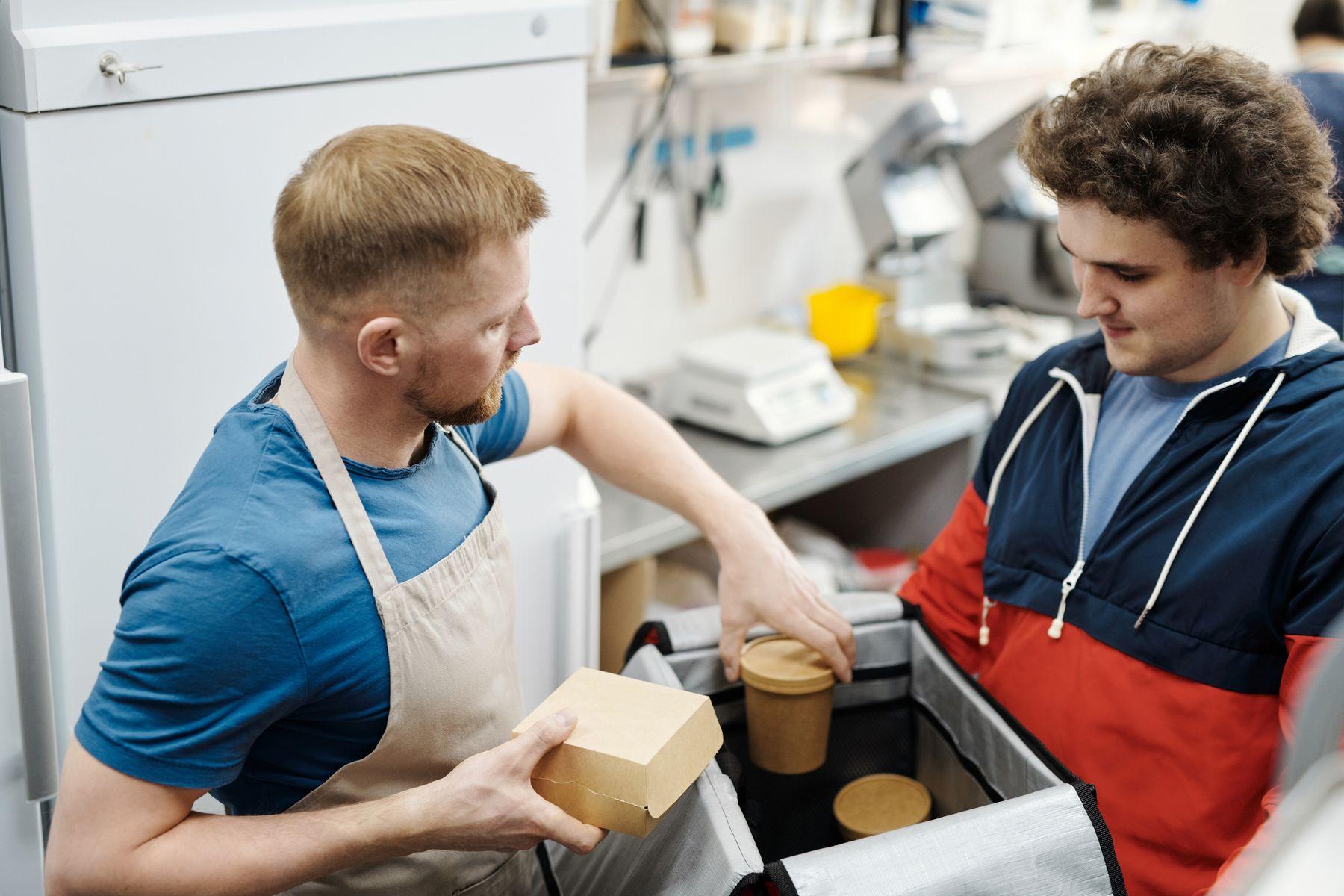
The delivery tablet pings at 19:15. The kitchen makes the same R200 meal it would serve across the counter, adds a sturdy box and hands it to a rider. The order total looks healthy. The useful question for the owner is what remains after the platform fee, food, packaging and any promotion the restaurant funded.
Uber Eats' current South African merchant pricing page lists a 30% fee for Uber Delivery orders, 33% for Uber One member delivery orders, and 14% for self-delivery or pickup. Those are different ways to fulfil an order, not a simple “pick the lowest percentage” menu. Self-delivery still needs a rider, fuel and supervision; pickup does not bring the same convenience to a customer who wants dinner at home. Use your own signed terms and order statements to calculate the amount you keep.
Uber's South African pricing and merchant pages checked on 15 November 2026. The rand figures below are illustrative planning assumptions. Fees, eligibility, tax treatment and promotions may vary by agreement and order.
Separate the restaurant fee from the customer's delivery fee
Uber's South African merchant page distinguishes its fee to the merchant from the delivery fee shown to a customer. The customer fee changes with factors such as address, rider availability and demand. A customer seeing a lower delivery fee does not tell you that the restaurant's percentage fell. Likewise, an Uber One benefit can affect what the customer sees while the merchant page lists 33% for those member delivery orders.
The same page currently shows these merchant rates:
| Order route | Published merchant rate | Cost you still need to check |
|---|---|---|
| Uber Delivery | 30% | The fee base, tax, packaging and any restaurant-funded promotion. |
| Uber One member delivery | 33% | The same items, plus how member benefits appear in your actual order statement. |
| Self-delivery through Uber Eats | 14% | Your rider's full cost, coverage, failed deliveries and any Uber-network fallback. |
| Pickup through Uber Eats | 14% | Packaging, counter handling and any promotion; no rider is needed for that order. |
Uber says a self-delivery restaurant may use Uber's rider network for some deliveries at a 30% fee. It also describes Uber Direct for orders placed through a restaurant's own channels as a per-delivery fee rather than a marketplace commission; the page does not publish one rand fee for every delivery. Ask for a route-specific quote before treating it as cheaper. Source: Uber Eats South Africa pricing.
The public page has explanatory text that still mentions older named plans. Treat the rate displayed for the option you are offered and your signed agreement as the decision documents. Uber's South African signup page also mentions a one-time activation fee; confirm whether it applies to your restaurant and what it includes.
A R200 order is not R200 to spend
Suppose a Durban café's illustrative fee base is R200 for one meal. The meal uses R60 of food and R12 of delivery-safe packaging. Ignore VAT, advertising and other charges for this simplified comparison; in a real model, use the fee base and tax treatment shown on your statements. The amount left is contribution toward wages, rent and profit, not net profit.
| Route | Calculation | Illustrative contribution |
|---|---|---|
| Uber Delivery at 30% | R200 − R60 fee − R60 food − R12 packaging | R68 |
| Uber One delivery at 33% | R200 − R66 fee − R60 food − R12 packaging | R62 |
| Self-delivery at 14%, with R35 of the café's own delivery cost | R200 − R28 fee − R60 food − R12 packaging − R35 delivery | R65 |
| Pickup at 14% | R200 − R28 fee − R60 food − R12 packaging | R100 |
At these hypothetical costs, self-delivery does not beat Uber Delivery on contribution. If the café's real rider cost is lower, the answer changes. If a customer pays a different menu price or Uber applies its percentage to a different base, all four rows change. That is why copying a “30% markup” onto every dish is a poor pricing method: the required price depends on the dish, order size, packaging, promotions and delivery route.
For each candidate delivery dish, use this practical formula:
Contribution per completed order = restaurant revenue from that order − platform and payment charges − food and packaging − any delivery cost paid by the restaurant − promotions funded by the restaurant.
Keep a consistent VAT basis in the sheet and reconcile it to the actual settlement. Our food-cost guide shows how to cost a standard portion; the menu-engineering guide explains why popularity and rand contribution need to be considered together. Delivery adds a new layer: the dish must survive the trip and still be worth ordering again.
Price for the whole order, then test the guest experience
A small side or drink may have a fine ingredient margin and a poor delivery contribution if it creates another container, leaks, or is regularly missing. A large family order can spread packaging and preparation across more revenue. Test food after the actual travel time to your usual delivery area. Record temperature, texture and whether the sealed pack makes it obvious if an item is missing. If fries arrive limp every time, a higher menu price will not rescue repeat orders.
Uber says app discoverability can depend on factors including order accuracy, preparation time, cancellations, ratings and customer complaints. Those are operational reasons to keep the menu tight: do not list a dish the kitchen cannot supply consistently during a Friday rush. Set realistic prep times, train a final bag check and keep the tablet's availability current. A refund or poor review after a missing sauce may cost more than the sauce.
At the end of four comparable weeks, review completed orders, average basket, contribution per order, refunds, missing-item complaints, repeat orders and staff time. Split Uber Delivery, Uber One, self-delivery and pickup if your statements allow it. A route can bring many first orders and still be disappointing if they have thin contribution or produce unhappy customers. Do not count a platform discount as restaurant revenue until the statement shows who funded it.
The sensible decision is not “join or avoid delivery apps”. It is which dishes and fulfilment routes make a reliable promise to a customer at a contribution your restaurant can live with. Start with a small menu, reconcile ten real orders against this worksheet, and adjust the offer before you advertise it more widely.
Cover photograph: Norma Mortenson on Pexels, used under the Pexels License. The people pictured illustrate a food handover; they are not identified as South African restaurant staff or Uber Eats partners and do not endorse Hydra.