The WhatsApp arrives while your courier is at the door: a bank logo, a reference number and “paid”. The buyer wants the parcel handed over now. You can spend ten minutes studying the font on the screenshot, or you can make one rule that works even when the screenshot looks perfect.
Release an EFT order when the matching payment is received and valid in your own bank account—not when the buyer sends a proof of payment. Ask your bank if the status of a deposit is unclear. For a card or payment-link order, check the transaction status in your own provider dashboard. Keep an order awaiting payment until that check is complete. South African banks warn that altered payment confirmations are used to get goods released or refunds sent before money is verified: see FNB’s fake-confirmation guidance and Standard Bank’s business scam guide.
Bank and payment-provider guidance checked on 18 November 2026. This article is about confirming an incoming payment before release; a later card chargeback is a separate process.
A proof of payment is a message from the payer’s side
A PDF or screenshot may show that someone entered a transfer. It may also be altered, sent to the wrong account or describe a payment that has not arrived. Even a convincing “bank” SMS or email can be spoofed. FNB describes fake payment confirmations as a way to get merchants to release goods and says to wait until a transfer reflects in the account. Standard Bank describes the same pattern, including an urgent order and a manipulated Internet banking receipt, in its deposit and refund scam examples.
This is why a logo, timestamp or reference number on a customer-supplied document is a clue to reconcile, not a release instruction. If your bank offers an official payment-confirmation verification tool, use it through the bank’s site or app that you opened yourself. Do not follow a link inside the message you are trying to verify. Then still check that the money is received and matched to the order under your bank’s rules.
| What the team sees | What it establishes | Release the order? |
|---|---|---|
| Buyer’s screenshot, PDF, SMS or email | The buyer has supplied a claim of payment | No |
| Incoming credit visible in your own bank account, matching the amount and order | You have independent evidence of receipt | After checking validity and any bank-specific hold |
| Successful payment shown against the order in your own payment-provider dashboard | Your provider reports that transaction as successful | Follow that provider’s order and settlement rules |
The last two rows are different payment paths. A successful card transaction can still be disputed later; our chargeback guide covers that process. The immediate risk here is handing over goods against a document that never represented money received.
Give every order one release check
Imagine a Cape Town homeware shop selling a R1,800 lamp for collection. The customer sends an EFT confirmation with the right reference. Before the lamp leaves, the cashier or owner:
- Opens the business bank app or website from a saved address, not the customer’s link.
- Finds the incoming transaction in that account and matches the amount, date and order reference. If the reference is missing, uses the other details to investigate rather than guessing that a similar credit belongs to this buyer.
- Checks whether the bank treats that deposit as available and valid. If it is unclear or the customer claims an instant payment that is absent, contacts the bank using its official support channel.
- Marks the order paid in the shop’s system, recording who checked it and when. Only then does the team hand over the lamp or book the courier.
For a payment link, replace the bank-app step with the transaction in the merchant’s own provider dashboard. For example, Peach Payments documents how merchants view a payment-link status and its transaction detail. A customer’s screenshot of the hosted checkout is still not your provider’s status. If a terminal freezes or the till loses connection, check the provider transaction history before charging again; our card-machine outage guide covers that separate checkout problem.
What do you say to a real customer whose EFT has not arrived?
Most delayed payments are not fraud. A calm, consistent policy avoids making a genuine customer feel accused. Put it in checkout instructions, collection messages and the staff handover sheet:
“Thanks, we have your proof of payment. We’ll reserve the order while we check the incoming payment in our business account. We can release it as soon as it appears and is confirmed. If you need it today, we can also offer our usual card or payment-link option; we’ll first make sure the EFT has not arrived so you aren’t charged twice.”
Set a realistic reservation window for unpaid stock and say when it ends. If the item is scarce, explain that it remains reserved until a stated time, then contact the customer before releasing it for sale. The policy applies to every customer, not just a stranger with a large order. A regular’s familiar name does not validate a new transfer.
Do not promise a universal “instant” arrival time. The timing depends on the banks and the payment method; FNB notes that transfers from other banks may take time to reflect. If the sale is urgent, offer a payment method you already support and can verify in your own system. Check for the original EFT before collecting a second payment, and reconcile any duplicate if it later arrives.
The second trap: “I overpaid; refund the difference”
A buyer may send a proof showing R2,800 for the R1,800 lamp, then ask for R1,000 back to a different account. Do not treat the apparent excess on the PDF as money you hold. Standard Bank warns businesses that fake or altered proofs are used to press for urgent refunds; it says to confirm with the bank that the payment has cleared before refunding. FNB likewise warns about overpayment refund scams.
Pause the order and any refund. Compare the actual credit with the invoice, contact your bank if the deposit type or validity is unclear, and use your normal documented refund process once the payment is confirmed. A request to send money to an unrelated account is a reason for an extra check, not a reason to hurry.
Make the rule survive a busy Saturday
The easiest control to break is one that only the owner remembers. Put three fields on the order record: payment method, verified transaction reference, and verifier/time. Give the person packing or dispatching an unmistakable “awaiting payment” versus “ready to release” status. For high-value goods, require a second person to check the release. Review unmatched bank credits and paid orders at closing time so genuine customers are not left waiting because nobody looked.
If goods have already gone out and you discover that the proof was false, act while there is still a chance to limit the loss: contact the bank through its official fraud channel, ask the courier whether delivery can be stopped, preserve the order messages and proof, and record what happened. Use the incident to fix the release step rather than asking staff to become document-forensics experts.
The practical standard is simple enough for a new cashier: customer-supplied proof starts a check; your own confirmed payment record ends it. That keeps a legitimate buyer informed and gives the business one defensible point at which the order can leave.
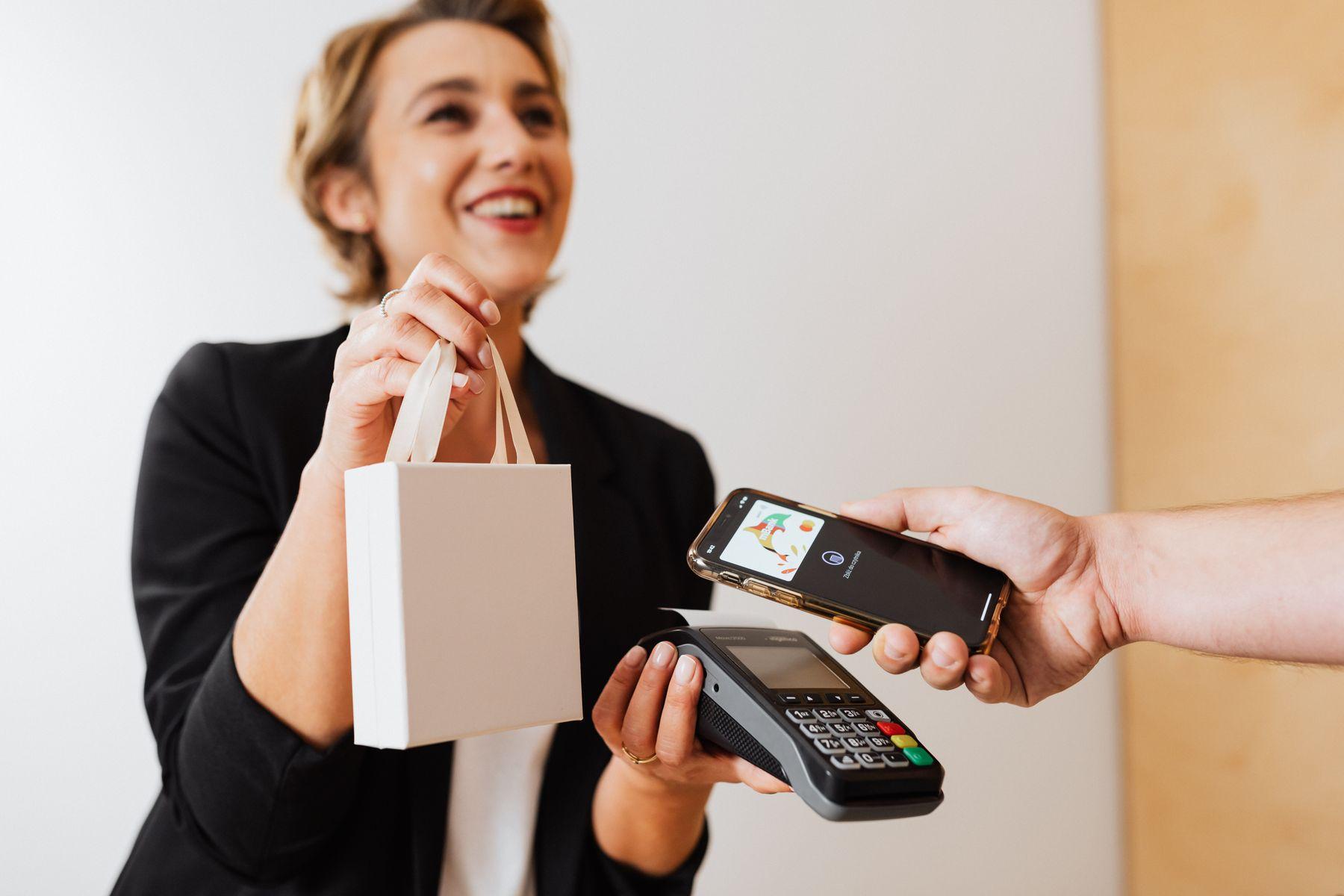
Cover photograph: Kaboompics / Pexels, used under the Pexels License. It illustrates a checkout, not a fraudulent transaction or a South African merchant.