The burger is the first thing regulars ask for. It is also the dish your chef grumbles about: a long build, an expensive side and a price that has not moved in months. Taking it off the menu would save an argument in the kitchen and start another one at the table. Before you change it, find out what it contributes to the business.
Menu engineering is the practice of looking at how often a dish sells alongside what each sale contributes after its direct food cost. For a South African café, that means using one period of item-level sales, current recipe costs and prices on a consistent VAT basis. A popular dish with a modest margin can still bring in more money than a high-margin dish that rarely leaves the pass. The numbers guide a test; they do not make the decision for your customers.
Method and SARS guidance checked on 8 November 2026. Every menu price, ingredient cost and sales count below is an illustrative assumption, not a market benchmark.
Four lunch mains, four very different jobs
Imagine a Cape Town café reviewing four lunch mains sold during the same four-week period. It is VAT registered, so the table uses selling prices excluding VAT and food costs after any input VAT it can legitimately recover. SARS says the current standard VAT rate is 15%; using a consistent basis prevents VAT from masquerading as contribution. The recipe cost includes the standard garnish and side, not just the central ingredient.
| Lunch main | Net selling price | Food cost per portion | Contribution per sale | Portions sold | Four-week contribution |
|---|---|---|---|---|---|
| House burger | R120 | R60 | R60 | 120 | R7,200 |
| Chicken salad | R130 | R45 | R85 | 25 | R2,125 |
| Tomato pasta | R120 | R40 | R80 | 95 | R7,600 |
| Lentil bowl | R80 | R30 | R50 | 20 | R1,000 |
The basic arithmetic is net selling price − recipe food cost = contribution per sale. Multiply that by portions sold to see what the item contributed over the period. The four dishes generated R17,925 of contribution from 260 sales, before kitchen labour, rent, utilities, card fees, waste and the rest of the business. This is not net profit. Toast’s menu worksheet uses the same core ingredients: item price, food cost, quantity sold and contribution.
The burger has the lowest food-cost efficiency of the three more expensive mains: R60 ÷ R120 = 50%. Yet it contributed R7,200 over four weeks, more than the salad and lentil bowl combined. Looking only at that 50% would point you toward the wrong first move. Our food-cost guide explains how to build the recipe number; menu engineering asks what to do with it once you also know demand.
Which dish deserves a change first?
A simple menu engineering matrix compares per-sale contribution with popularity. For these four comparable lunch mains only, the average is 65 portions sold per dish and R68.75 contribution per sale. Those are internal dividing lines for this example, not universal targets. Compare breakfast with breakfast, or mains with mains; a side dish and a dinner special have different jobs.
The pasta sells well and contributes well. Keep its recipe and availability consistent. If it disappears from the menu on busy days because an ingredient runs out, the theoretical R80 per sale is not what customers experience.
The burger is popular but contributes less per sale. It is a candidate for a careful recipe, portion or price test, not an automatic deletion. Weigh the side you actually serve, check supplier invoices and talk to staff about what guests praise. If you swap a loved component for a cheaper one, track complaints and repeat orders alongside the saving.
The salad contributes R85 per sale but sells only 25. Test whether guests can see and understand it: a clearer description, a better place on the menu or a server recommendation may be enough. First make sure its portion and freshness are consistent. Promotion cannot rescue a dish that disappoints after the first order.
The lentil bowl sells little and contributes R50 per sale. Before removing it, ask whether it serves a need the other mains do not, such as a plant-based lunch for a regular group. If it does, test smaller prep batches or a limited-day offer so ingredients are not wasted. A low-volume option can still matter to the customers who bring friends.
The kitchen clock can change the answer
Contribution per plate ignores the time and capacity needed to make it. If the burger holds up the grill during a Friday lunch rush, record its active bottleneck time, not simply the number of minutes between order and delivery. Toast’s restaurant analysis suggests comparing contribution with preparation time when the kitchen line is constrained. That is a diagnostic, not a wage calculation: batch prep, several cooks working in parallel and idle periods complicate any neat “profit per minute” figure.
The most useful question is practical: What could the team have served during the same constrained period, and would guests still have been happy? A faster dish that earns more contribution may deserve a prominent lunch placement. At a quiet 15:00 service, the same speed advantage may hardly matter.
Run a two-week menu test without gambling on regulars
Start with the smallest change you can observe. For the burger, cost one possible side change and ask a few regulars to taste it before rolling it out. For the salad, change its description or placement but leave the recipe alone. Keep a record of what changed and when; otherwise the next sales report cannot tell you which decision helped.
Each week, compare portions sold, net selling price, current food cost, contribution per sale, total contribution, waste, voids and customer comments. Watch the whole lunch mix. If salad sales rise because guests switch from the pasta, the salad’s new sales are not all additional business. If the burger’s cost falls but diners stop ordering it, the saving may be a loss. A short test is evidence, not a verdict; repeat it across comparable weeks and account for holidays, weather, menu availability and promotions.
Menu engineering works best when the chef, front-of-house team and owner can explain the same decision in ordinary language: we kept what guests love, fixed an avoidable cost and made the good options easier to choose. The spreadsheet should make that conversation sharper, not replace it.
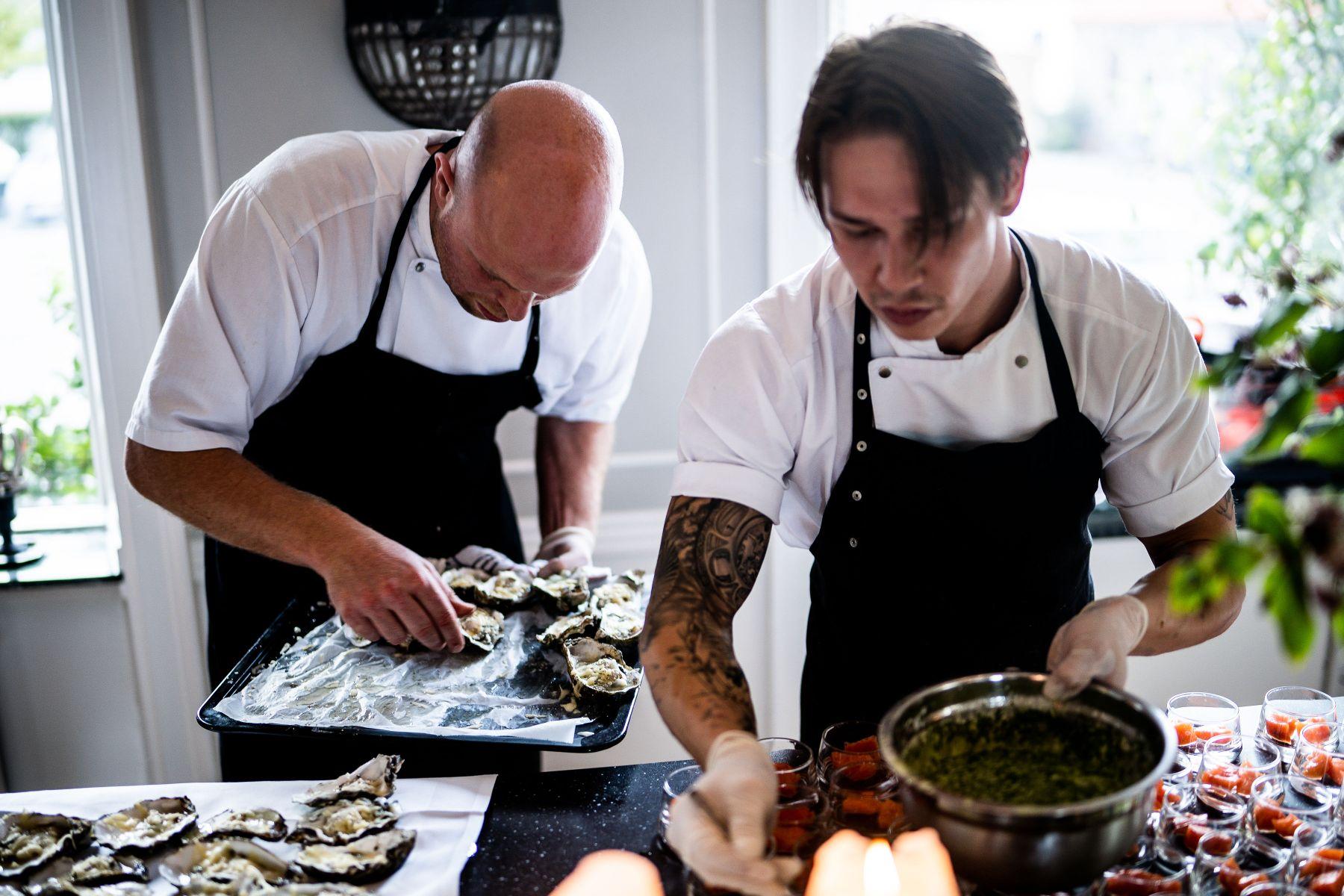
Cover photograph: Rene Terp / Pexels, used under the Pexels License. The people pictured are illustrative and do not endorse Hydra.