A customer disputed a card payment? A South African merchant’s chargeback guide
Hydra
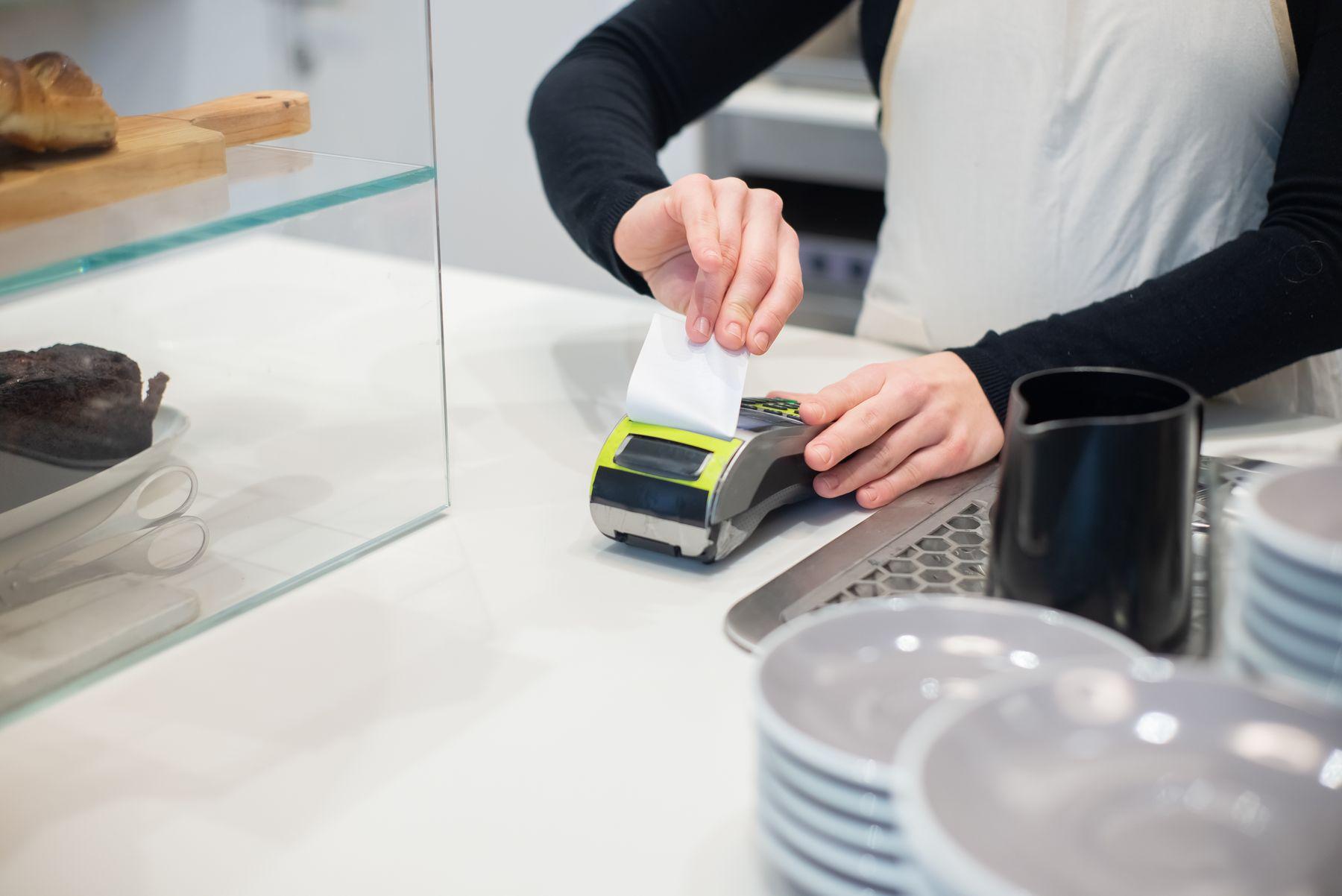
The order went out on Tuesday. On Friday, the courier marked it delivered. Three weeks later, your payment provider emails: the customer has disputed the card payment. There is a deadline, a reason for the claim and an amount that may be taken from a future payout. The temptation is to send every screenshot you have. Resist it for a moment.
First, open the dispute in your payment provider’s official dashboard or support channel. Check which transaction is being challenged, why, and when your response is due. Then decide whether the customer has a valid claim. If you delivered what was promised, send evidence that answers the specific reason for the dispute. If you did not, accept it or agree the appropriate remedy with your provider. An approved card payment alone does not prove that the eventual chargeback is invalid; Yoco makes this point explicitly.
This is a guide to card chargebacks for South African merchants, including shops, restaurants and service businesses. It is separate from an ordinary return: our returns and refunds guide covers the customer’s rights and your shop’s policy. A chargeback is a payment dispute initiated through the customer’s card issuer, which can involve your payment provider, acquiring bank and card network. Visa’s merchant explanation describes that chain.
Your first move is to read the reason, not argue with the customer
“I never received it” calls for delivery evidence. “I don’t recognise this payment” calls for transaction details that help identify the purchase. “You promised a refund” calls for the refund record and dates. A receipt may prove that money changed hands; it does not, by itself, prove that a parcel arrived or a service was performed. Mastercard says the evidence should address the dispute’s reason code, and Paystack warns that a receipt without enough transaction detail can be rejected.
Treat the notice as a timed case file. Match its transaction reference, amount and date against your order, POS and settlement records. Check whether a refund has already been sent or a duplicate charge occurred. Save the provider’s deadline in the calendar of whoever owns disputes, and give another staff member visibility if that person is away. Use the deadline in your own notice: providers and dispute types differ. For example, Yoco currently asks its merchants for documentation within three working days. That is a Yoco process, not a universal South African deadline.
If the notice is unexpected, sign in through the provider’s known address rather than an email attachment or unfamiliar link. Keep the dispute reference in one place. You may need it again if the issuer asks for more information.
What evidence would actually answer the claim?
Think of the person reviewing the dispute as someone who has never seen your business. They need a short explanation and documents that connect this customer, this payment and this delivery or service. The useful evidence changes with the allegation:
| The customer says… | Records worth checking and submitting, if they exist |
|---|---|
| “My order never arrived.” | Order confirmation, dispatch date, tracking events, delivery confirmation and the address or recipient details that link them to the order. |
| “I was charged twice.” | Both transaction references, settlement history, and proof of any reversal or refund. If two settled payments really exist, correct the duplicate rather than contesting it. |
| “I cancelled, but you kept the money.” | Booking or cancellation terms shown at purchase, customer messages, cancellation date and any refund record. First check whether the customer was entitled to a refund. |
| “I did not authorise this payment.” | The provider’s transaction and authentication records, order details and relevant customer correspondence. Ask the provider which data are appropriate for this reason code. |
| “The service was never provided.” | The booking, invoice, attendance or completion record, and any sign-off that links the service to the customer and date. |
These are starting points, not a guarantee of winning. Yoco lists invoices, signed proof of delivery and proof of refund among the documents it may request. Paystack’s evidence guide also emphasises legible, transaction-specific documents; it advises removing other customers’ details from a submission. Keep full card numbers and unnecessary personal information out of your own case notes.
Suppose a Cape Town homeware shop receives a R620 “goods not received” dispute. Its courier dashboard says “delivered”, but the proof shows only a suburb, not the address or recipient. That evidence is weaker than the shop owner might think. The useful next step is to ask the courier for the delivery record and compare it with the order address and customer messages. If the parcel went to the wrong address, the customer’s claim may be sound. If it went to the correct address and a named recipient signed for it, submit the connected records with a brief timeline. The same order can look very different once the delivery detail is examined.
Should you fight the chargeback or accept it?
Contest it when you have evidence that directly rebuts the allegation and can submit it by your provider’s deadline. Accept it when the customer paid but did not receive what was promised, when the payment was duplicated, or when your records do not support your position. A dispute is not proof that the customer is dishonest. It may expose a delivery failure, an unclear billing name, a refund that never completed or an honest mistake.
If a refund is already in progress, tell the provider before making another payment. Send the refund transaction reference and ask how the open dispute should be handled. Card-scheme rules can be precise about when and how a prior refund is documented; Mastercard’s chargeback guide addresses previously issued refunds. An uncoordinated second refund can create a harder reconciliation problem.
Write the response as a short timeline rather than an accusation: “Payment received 4 October; order 1842 dispatched 6 October; courier delivered to the order address 8 October; signed delivery record attached.” Add only the documents that support those facts. Mastercard recommends a concise written rebuttal alongside the evidence. The issuer or bank still decides the outcome; submitting evidence is not a promise that the funds will be restored.
Make the next dispute less likely
The easiest chargeback to handle is the one a customer never has to file. Put an easy-to-find contact route on receipts and order confirmations. Show delivery dates and cancellation terms before payment. Use a recognisable business name on statements where your provider allows it. Send a confirmation when a refund is issued and reconcile it to the original sale. For delivered goods, keep the order, dispatch and handover records linked; for services, record what was booked and what was completed. Visa’s dispute guidance recommends clear refund and cancellation policies and timely shipping information.
Give one person responsibility for checking dispute notifications daily. That simple habit matters more than a folder of perfect receipts nobody sends on time. If a customer contacts you first, resolve the underlying problem promptly and document the outcome. Our customer complaints guide has a practical handoff process for that conversation.
A chargeback is a payment process, but its cause is often a customer experience problem. Read the reason, check the facts and respond with the right proof. Then fix the gap that put the transaction in doubt.
Provider guidance and card-network references checked on 30 October 2026. Your payment provider’s current notice and agreement govern the deadline, documents and fees for your case.
Cover photo: Kampus Production / Pexels, used under the Pexels License.