How to build a customer referral programme for a South African service business
Hydra
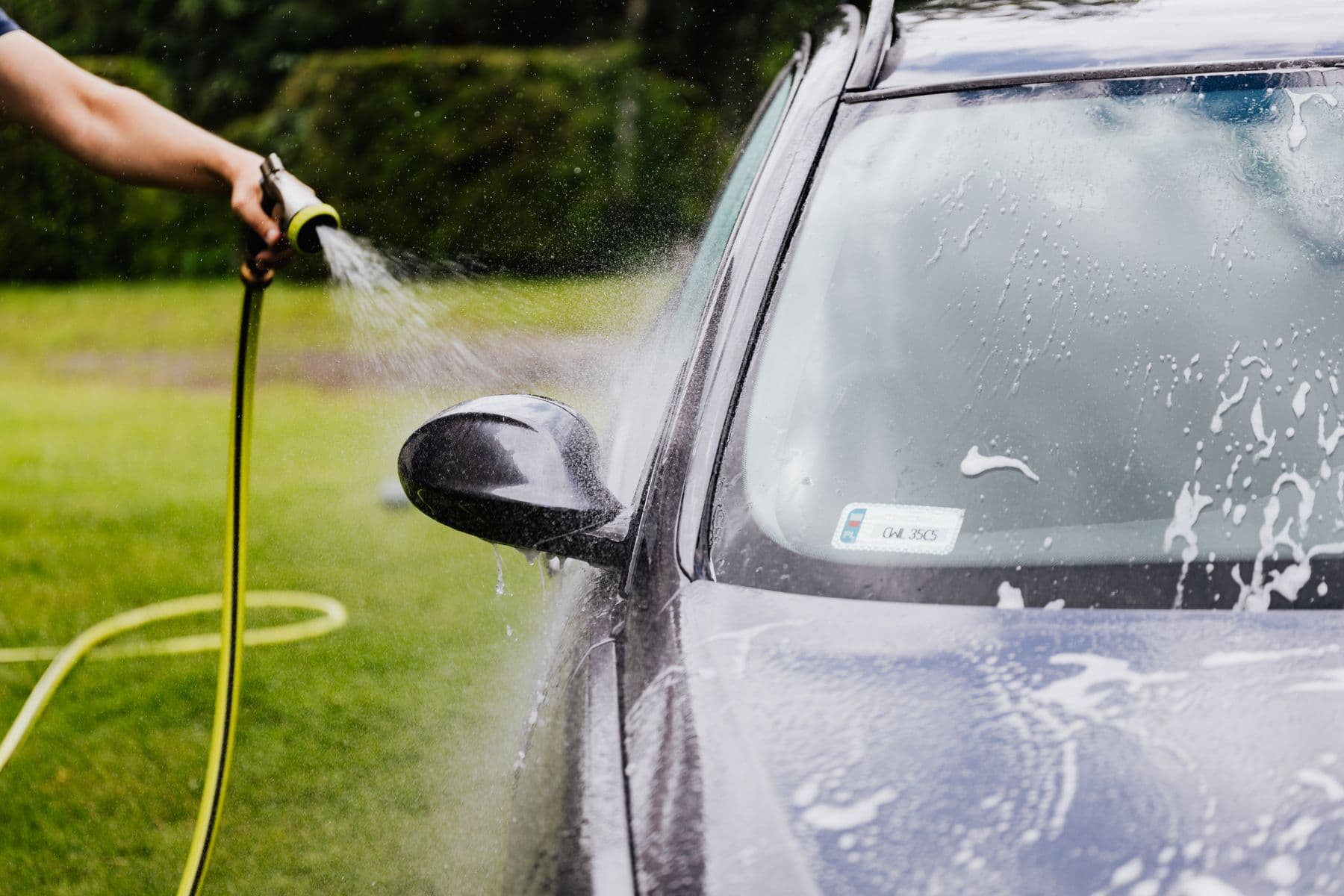
The best moment to hear “I’ll tell my neighbour about you” is when the customer is looking at a clean car, not a poster promising rewards. If that neighbour arrives next week, though, how will your team recognise the introduction? And what can you offer without giving away the profit from the first wash?
A small referral programme needs only a clear invitation, a way for the new customer to identify the person who sent them, and a reward triggered by a completed paid first visit. Start with a modest offer you can cost, write down the rules, and watch whether referred customers come back. A link or code can help, but a name recorded at the till works for a low-volume service business too.
Reward an arrival, not a name on a list
Imagine a Durban car wash. At checkout, a regular says her neighbour has been looking for a reliable place. The attendant can hand her a card with a short code or say, “Ask your neighbour to mention your name when they book.” The neighbour chooses whether to contact the business. Staff record the referral when the neighbour makes a first paid booking; the regular earns a small credit after that service is complete.
That trigger matters. A lead who never books has not produced a sale. A booking that is cancelled has not covered the reward. For an in-person car wash, hairdresser or home-cleaning service, the completed visit is easy for staff to verify. Large platforms use similarly explicit milestones: Square's own referral programme distinguishes a signup from a first payment. Its US reward terms are not a template for a South African car wash; the useful idea is defining exactly when a referral qualifies.
Give the new customer a benefit too if it makes the introduction easier to accept. A small first-visit discount says “try us” without asking the existing customer to make a sales pitch. Keep the offer simple enough that a busy cashier can explain it in one sentence.
Can the offer pay for itself?
Price the two sides of the reward before printing cards. Suppose the normal wash is R250 and the costs that rise with each wash—labour, water, products and payment fees in this illustrative business—total R140. The normal contribution is R110 before rent, equipment and other overhead.
Now offer the neighbour R25 off the first wash and the referring customer R25 credit on a later paid wash. Budget for both rewards even though the credit may be redeemed later:
| Per completed referred first wash | Amount |
|---|---|
| Normal selling price | R250 |
| Variable service costs | −R140 |
| New customer discount | −R25 |
| Referrer credit allowed for | −R25 |
| Contribution left before overhead | R60 |
The first visit still contributes R60 in this example. That is not net profit, and it is not a promise that every referred customer will return. If the new customer later buys a full-price wash with the same costs, that visit contributes another R110. The owner can compare this with what it normally costs to attract and serve a new customer. If the offer leaves too little on the first visit, reduce the reward or use a useful low-cost extra rather than hoping for a second booking to repair a loss.
For a business with several services, test the offer on a specific qualifying service or minimum spend. A R25 credit can be sensible on a R250 wash and absurd on a R40 add-on. State whether credits can be combined with other promotions and when they expire. Our customer lifetime value guide explains how to count later visits without pretending the first sale is the whole relationship.
Write the terms before the first awkward conversation
A short set of rules prevents arguments at the counter. Decide who counts as a new customer, whether people in the same household qualify, what happens if a booking is refunded, whether the reward has a cap, and when staff issue it. Make the rules easy to see on the card, booking page or sign at the till.
For example: “Give a friend your code. When they complete their first paid wash of R200 or more, they get R25 off and you receive R25 credit for a future wash. One credit per new customer; not valid with another offer. Credit expires three months after issue.” Adapt the amount, threshold and expiry to your actual economics and ensure the system can apply them consistently.
Keep a small register: referrer ID or code, new customer's first booking date, completed sale, discount, reward issued and redemption. Limit access to staff who need it. A spreadsheet may be enough for a pilot; do not buy software before you know what needs tracking.
Let the friend come to you
Do not ask a loyal customer to hand over a neighbour's phone number so you can send an unsolicited WhatsApp offer. Give the customer a link, card or code to share themselves. When the friend contacts you, explain the offer and ask for the details needed to complete the booking. If you later want to send promotions, make that a separate choice.
This route is kinder to the relationship and avoids assuming an introduction is marketing consent. The Information Regulator's guidance on electronic direct marketing and WhatsApp's Business Messaging Policy set conditions for contacting people. Our POPIA and WhatsApp guide walks through the difference between a service message and a promotional one.
Keep review requests separate too. A referral reward is for bringing in a new paying customer, not for posting a Google review. Google prohibits incentives for reviews, including discounts and free services. You can ask for an honest review without tying it to the referral offer; our Google reviews guide shows how.
Run a small pilot, then read the results honestly
Try the programme for a defined period, perhaps six weeks at one location, then allow enough time to observe repeat visits. Count four separate things: cards or codes handed out, new people who enquired, completed first paid visits, and those new customers who returned within a period you set in advance. Also record referrer credits actually redeemed and any complaints about unclear terms. Cards handed out are a measure of invitations, not proof that anyone shared them; completed and repeat visits tell you what happened in the business.
Ask staff which part of the offer confused people. If customers cannot remember a code, allow the new visitor to name the referrer. If rewards are being promised before a first paid visit, tighten the staff script. If good customers recommend you without any reward, the programme may only need to make sharing easier.
The first referral is a test of the service as much as the offer. A neighbour who receives a poor wash will not become a regular because two people got R25. Make the first visit worth talking about, then let the programme help you see whether that good experience travelled.
Programme examples and platform policies checked on 4 November 2026. The rand figures are an illustration for planning, not a recommended price or expected result.
Cover photo: Kaboompics / Pexels, used under the Pexels License.