How to price a catering quote in South Africa: cost the whole event, not just the plates
Hydra
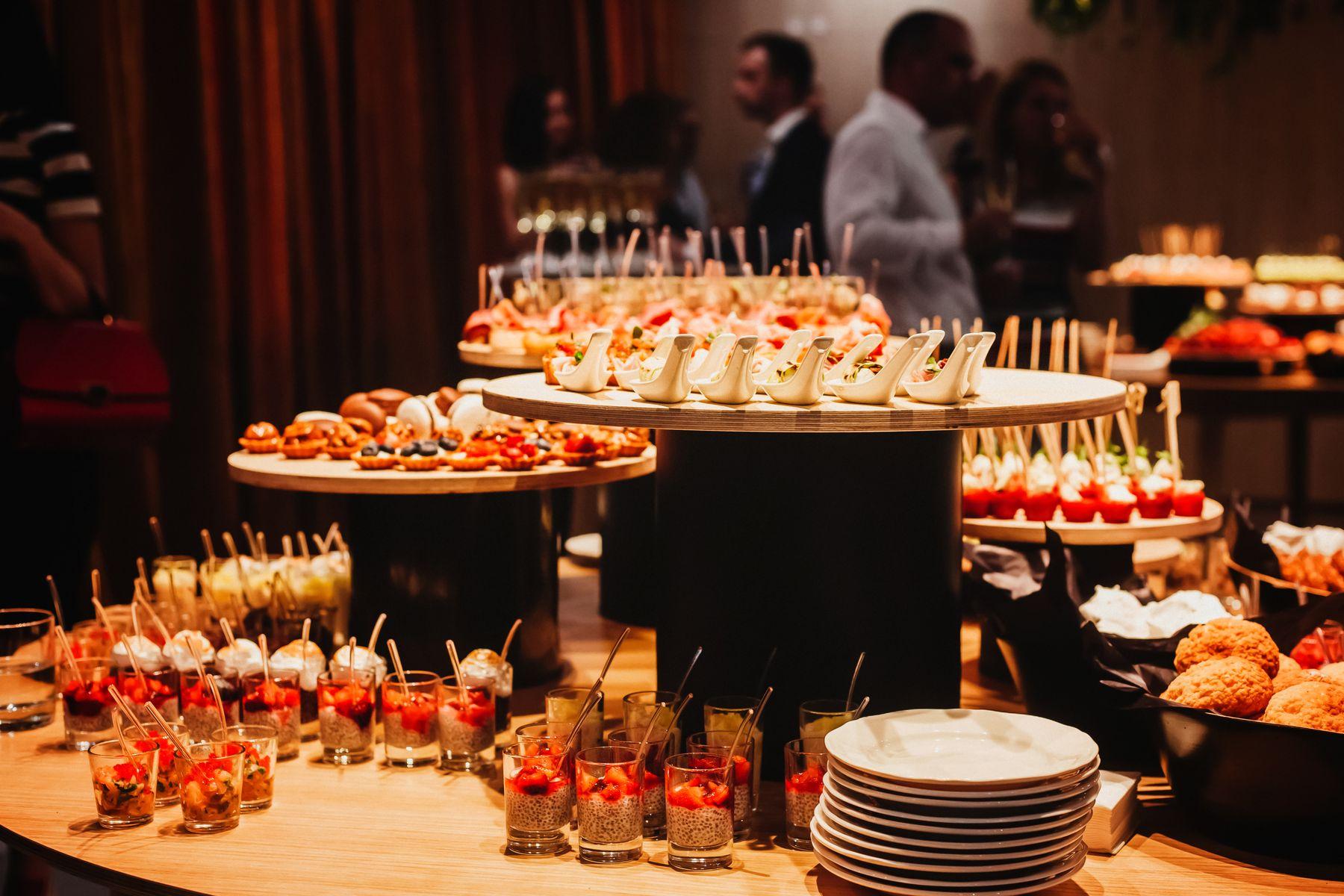
A client says, “It’s only lunch for 40.” Then the details arrive: two vegetarian meals, one halaal menu, delivery to a venue with no lift, crockery, staff to clear the room, and service ending at 3pm sharp.
That is not one price per plate. It is a small event with a food bill attached.
A catering quote that holds up starts with the whole job: ingredients, paid hours, transport, equipment, setup, service, cleanup, waste and the profit that keeps the business available for the next booking. Work those out before you divide by the guest count. Otherwise the number that looked competitive in a WhatsApp message can quietly become an unpaid day.
Turn the enquiry into a job brief
Before pricing, get the details that change cost or risk. Ask for:
- Date, venue, access and the time food must be ready
- Guest count now, final-count deadline and how late numbers may change
- Menu, service style, dietary requests and who is responsible for confirming them
- Whether you supply plates, cutlery, linen, serving equipment or staff
- Delivery distance, setup window, service duration and collection time
- What the client expects if the event runs late or the brief changes
A buffet drop-off, staffed buffet and plated meal have different labour, transport and equipment requirements. Describe exactly which one you are quoting. “Lunch for 40” leaves too much room for two people to imagine different jobs.
Build the cost sheet before setting a per-person price
Make one line for every cost the event creates. A useful structure is:
Event cost = food and drink + labour + transport + equipment + event-specific supplies + allocated overhead
Food should follow your tested recipes and planned portions, with a sensible allowance for prep loss and the service style. Do not hide dietary alternatives in a vague “miscellaneous” line; price the ingredients and extra prep they require. Check supplier prices when you quote, especially for meat, fresh produce and products you do not buy every week.
Labour includes the hours that customers do not see: shopping, prep, loading, travel, setup, service, packing and cleaning. Include your own time at a realistic rate too. If the owner’s hours cost nothing on paper, the quote can look profitable while the owner works for free.
For a South African illustration, the National Minimum Wage is R30.23 per ordinary hour from 1 March 2026. That is a legal floor, not a suggested catering wage or a complete labour budget; check the rules that apply to your staff, including hours and overtime, and budget the actual paid time for the job. The Department of Employment and Labour’s 2026 notice sets out the change.
Transport is more than fuel: allow for loading time, parking, tolls where relevant and the return journey. If you own equipment, include cleaning, breakage and replacement over time. If you hire it, use the supplier’s actual charge and collection terms.
Overhead is the quiet part of every booking: kitchen rent, insurance, phone, bookkeeping, cleaning materials and the time spent answering enquiries. You can allocate it by event, by production hour or by another consistent method. The point is to recover a fair share, not to pretend those bills disappear on event days.
A worked quote for 40 guests
Here is an illustrative cost sheet, not a market price or supplier quote:
| Cost line | Assumption | Amount |
|---|---|---|
| Ingredients and non-alcoholic drinks | R140 per guest × 40 | R5,600.00 |
| Labour | 6 people × 8 paid hours × R30.23 | R1,451.04 |
| Delivery and transport | One event allowance | R600.00 |
| Equipment hire and event supplies | One event allowance | R900.00 |
| Direct event cost | R8,551.04 |
This example’s labour line merely applies the ordinary-hour wage floor to the assumed hours; the real wage bill may be higher. It also leaves overhead outside the direct-cost subtotal. Add, say, R500 of allocated overhead and the amount to recover becomes R9,051.04.
Now choose a target gross margin and calculate the selling price. If, purely for illustration, the business wants a 25% gross margin on this event, use:
Price before VAT = cost to recover ÷ (1 − target margin)
R9,051.04 ÷ 0.75 = R12,068.05, or about R301.70 per guest before VAT.
That is not the same as adding 25% to cost. A 25% markup would be R11,313.80, and the margin on that price would be only 20%. Markup and margin answer different questions; label which one you use in your spreadsheet.
If your business is a VAT vendor, state clearly whether the quoted total includes VAT. SARS lists the standard VAT rate as 15% for taxable supplies by registered vendors; VAT treatment depends on your circumstances, so confirm the right treatment for your business and invoice. SARS VAT guidance explains registration and the standard rate. In this illustration, 15% added to R12,068.05 would make R13,878.26 including VAT, assuming the supply is taxable at the standard rate.
Make the quote easy to say yes to
The client should be able to see what the price buys. Break the quote into a clear package: menu and portion/service style; guest count; staffing; delivery and setup; equipment; total; and the date by which the client must confirm final numbers.
State what is excluded too. For example: venue hire, beverages, extra service hours, special equipment, or menu changes after approval. If the client may add guests, give the per-person rate and the deadline for doing so. If the event needs a minimum spend or minimum headcount to be viable, explain it before the client books.
Set out payment dates and what happens when the booking changes or is cancelled. Keep the language plain, send the terms with the quote, and get written acceptance before buying event-specific stock. For large bookings, a deposit can fund committed ingredients or hired equipment, but make the amount and its treatment clear in the written terms. Get appropriate advice for your cancellation and deposit wording rather than assuming a deposit is automatically non-refundable.
Food compliance belongs in the plan as well as the kitchen. South Africa’s Regulations governing general hygiene requirements for food premises, transport of food and related matters (R638) cover food-premises requirements and certificates of acceptability. Check with your local authority what applies to your premises and operation; the certificate is not a substitute for any other applicable permission.
Before sending, run the five-minute check
- Does the menu match the confirmed guest count and dietary brief?
- Have you charged for your own planning, prep, travel, setup and cleanup time?
- Does the labour allowance reflect actual hours and applicable pay rules?
- Are delivery, hire, overhead, waste and changes visible somewhere in the price?
- Can the client tell what is included, excluded, due when and subject to change?
A good quote is not the cheapest number you can send before lunch. It is a clear promise you can deliver without discovering, after the guests have gone, that the event paid for the food but not the work.
Checked 25 November 2026. Cost figures in the example are illustrative assumptions; confirm current supplier prices, employment obligations and tax treatment before quoting.
Photo: Julia Filirovska, “Cooked Food on the Table”, Pexels. The individual image page lists the licence as Free. Used under the Pexels licence.